No one knows your true capability in advance — not even you.
Explore the Philosophy ↓Most approaches to change start by asking what’s wrong. This one starts somewhere else: what’s actually possible, and who gets to decide that in advance? Not a diagnosis. Not a prediction based on how long you’ve struggled. Not even your own assumptions about yourself — the ones built up over years of a problem convincing you it’s permanent. No one has ever measured the true ceiling of what a person’s mind can do. That uncertainty isn’t a weakness in this approach. It’s the whole starting point.
Capability, Not Limitation
Every prediction about what you can’t do is exactly that — a prediction, not a fact. This work assumes possibility first and lets reality set the actual limits, rather than assuming limits and hoping to be pleasantly surprised.
Perspective, Not Pathology
A diagnosis describes what you’re experiencing. It was never meant to describe who you are. Somewhere along the way, that line gets blurred — “I have anxiety” becomes “I am an anxious person” becomes “I’ll always be this way.” That shift to a limiting belief, not the original experience, is often what keeps people stuck.
Feelings, Not Stories
Understanding why a problem started doesn’t automatically make it stop. This work centers on how you want to feel, not on re-analyzing what happened — which is also why very little disclosure is required to make progress.
Change, Not Just Coping
Coping has real value, and it’s never dismissed here. It’s just not treated as the finish line. If genuine change is possible, it stays on the table as an option rather than being quietly ruled out in favor of managing things forever.
Self-Maintenance
The goal isn’t to become a regular fixture in someone’s calendar. It’s to leave a person more capable of helping themselves than when they arrived — carrying real tools out the door, not just relief that fades by next week.
One Question, Applied
Sometimes the whole shift comes down to one question, asked before any action: what is the purpose of this? Not as a ritual — just a pause, before reacting. Where reaction once ran the day, purpose starts to guide it instead. Where stress used to consume, purpose now steadies. The days stop being about surviving and start being about living with intention.
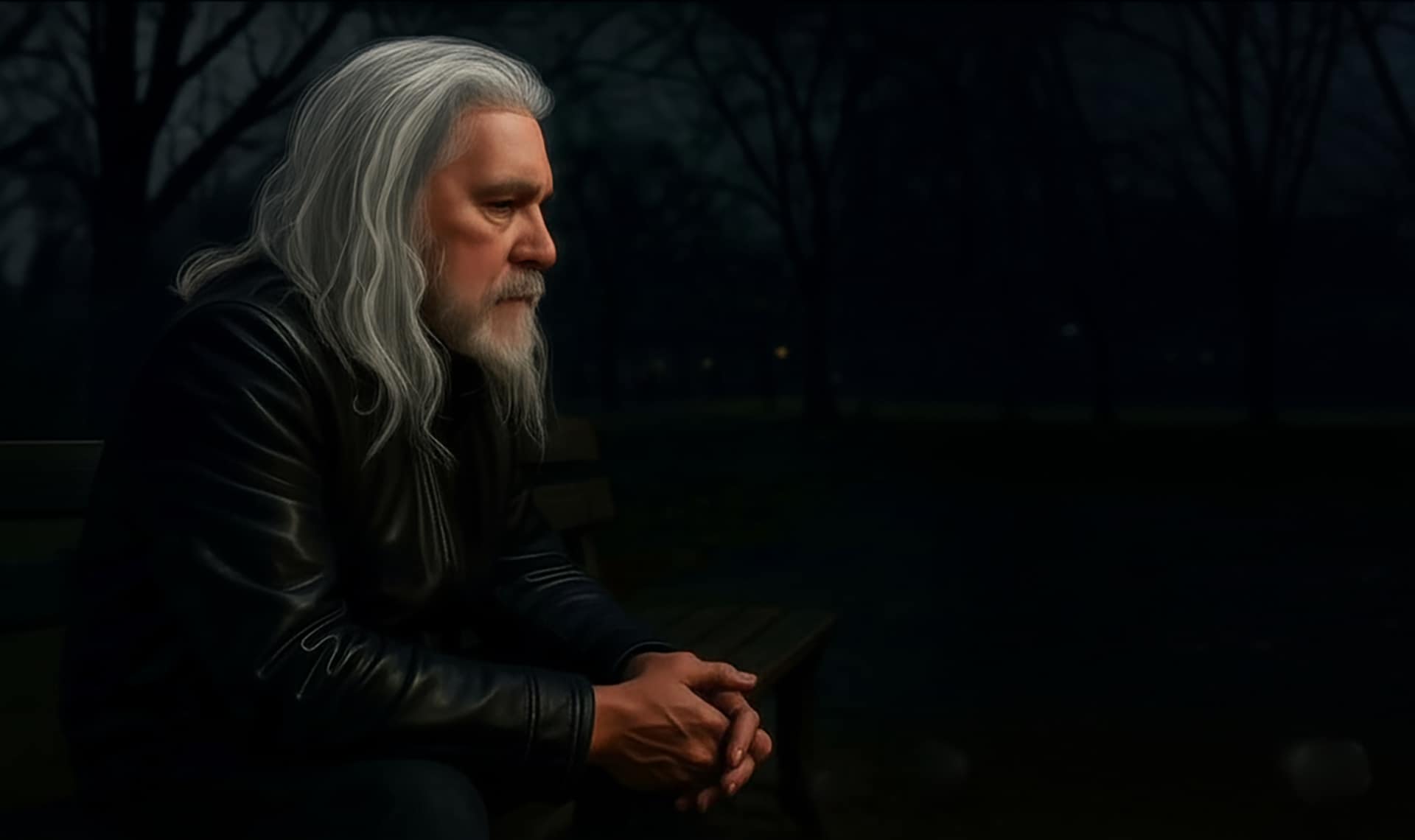
Illustrative, AI-generated — based on a client’s description of their experience, not real footage.
“Where I once reacted, I now respond. Where stress used to consume me, purpose now guides me.”
“My days are no longer about surviving but thriving.”
This philosophy isn’t abstract — it shapes every part of how the work actually happens.
See The MethodologyTrauma Recovery Pain Management Personal Development Instruction & Mentoring